A lightweight lyric creation tool for unlocking sparks of creativity

PROBLEM
Fragmentation kills momentum
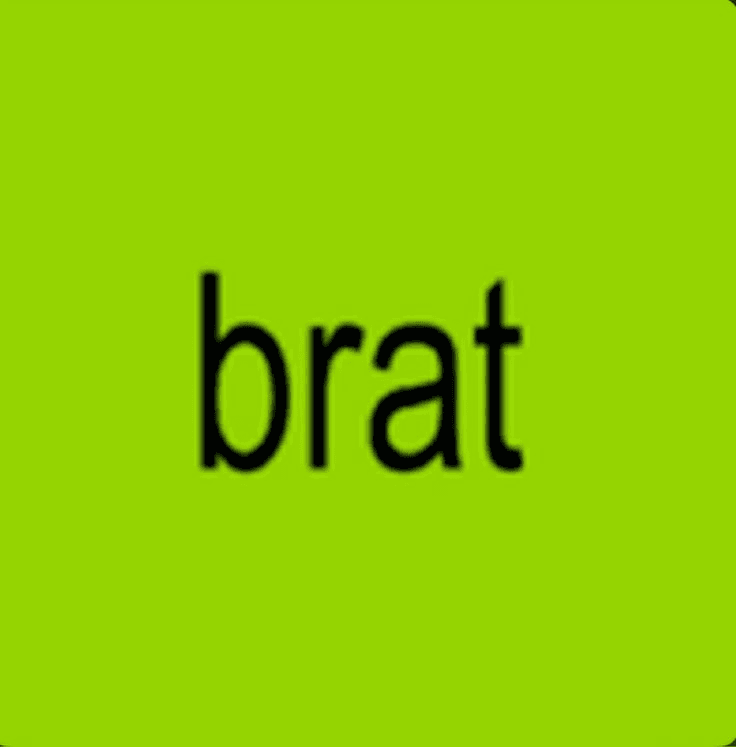
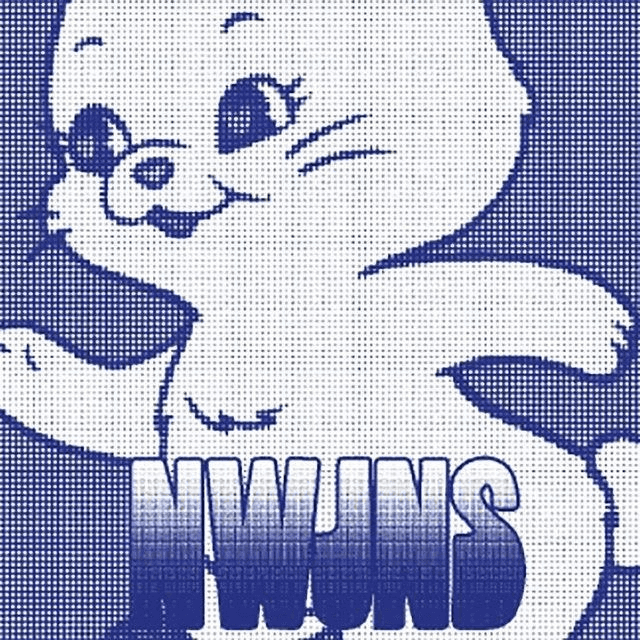
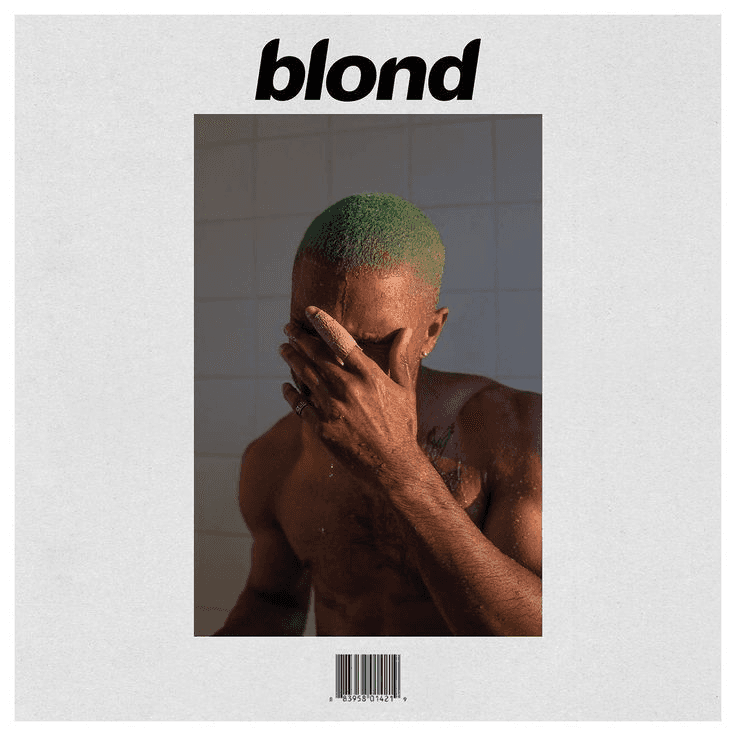
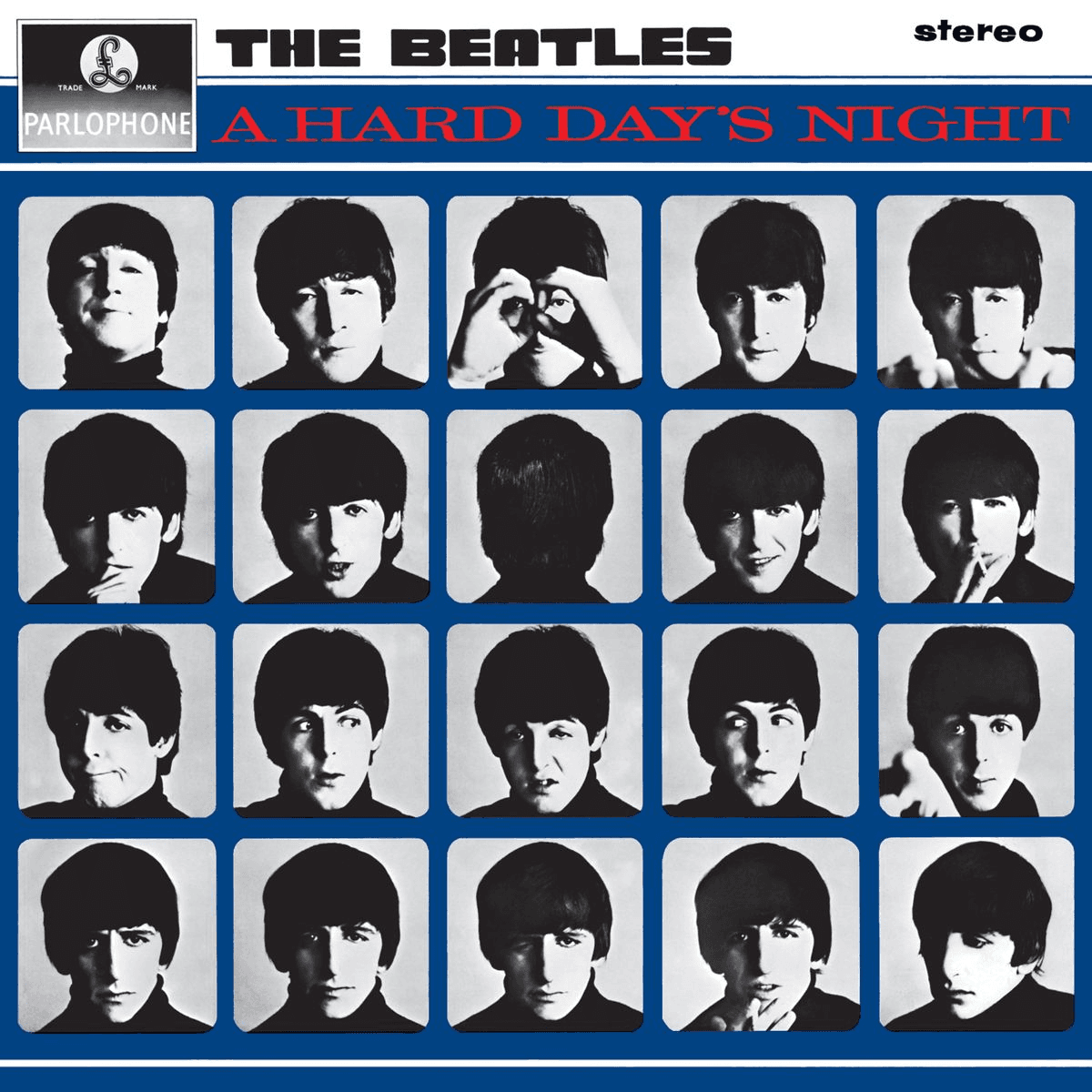
We picture polished albums and smooth verses, but the real process is much messier.
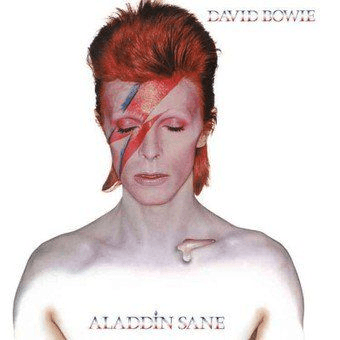
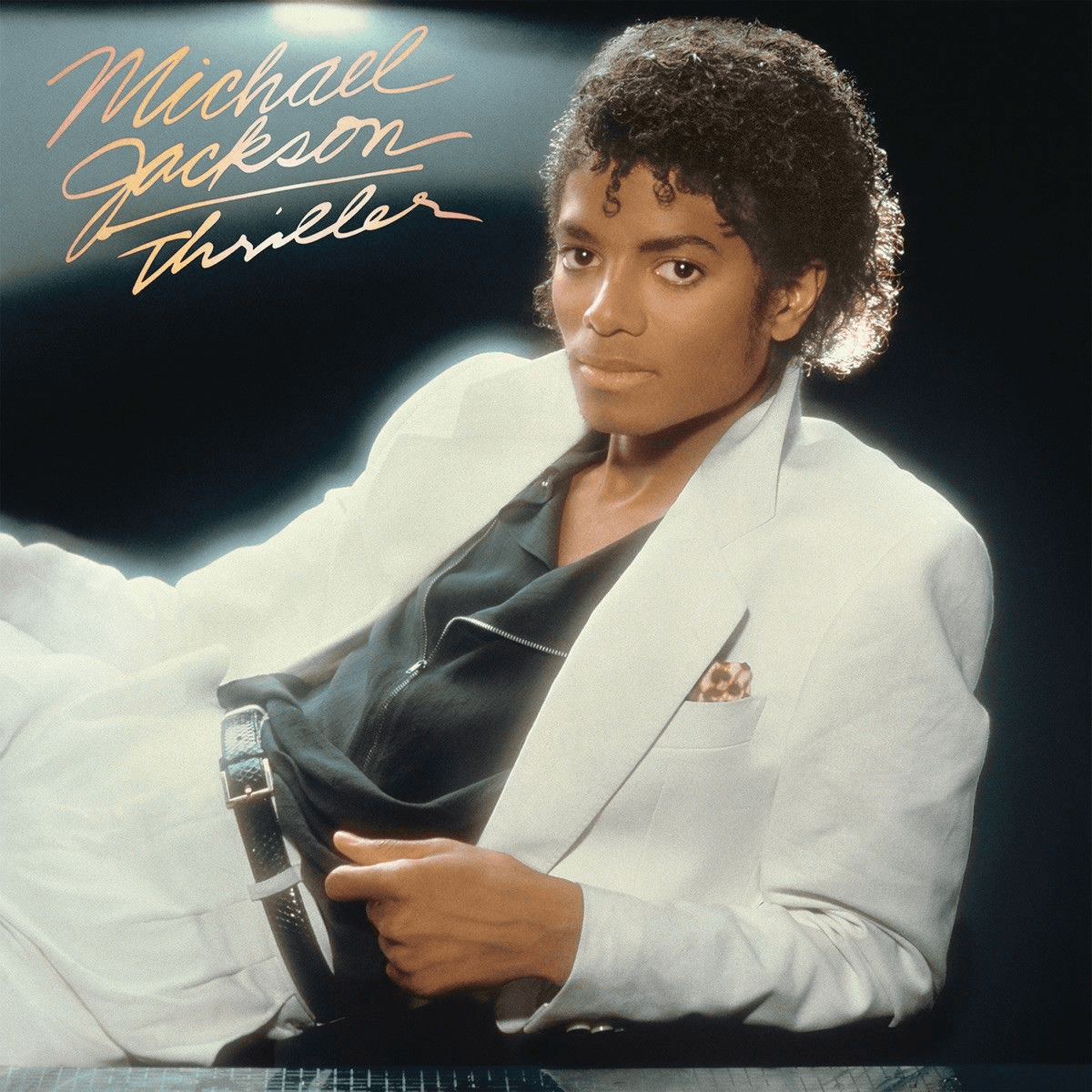


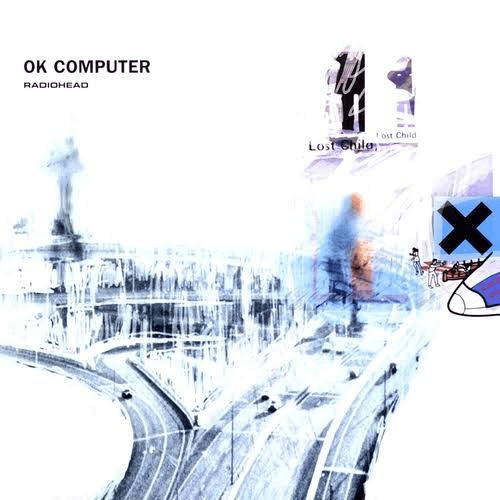
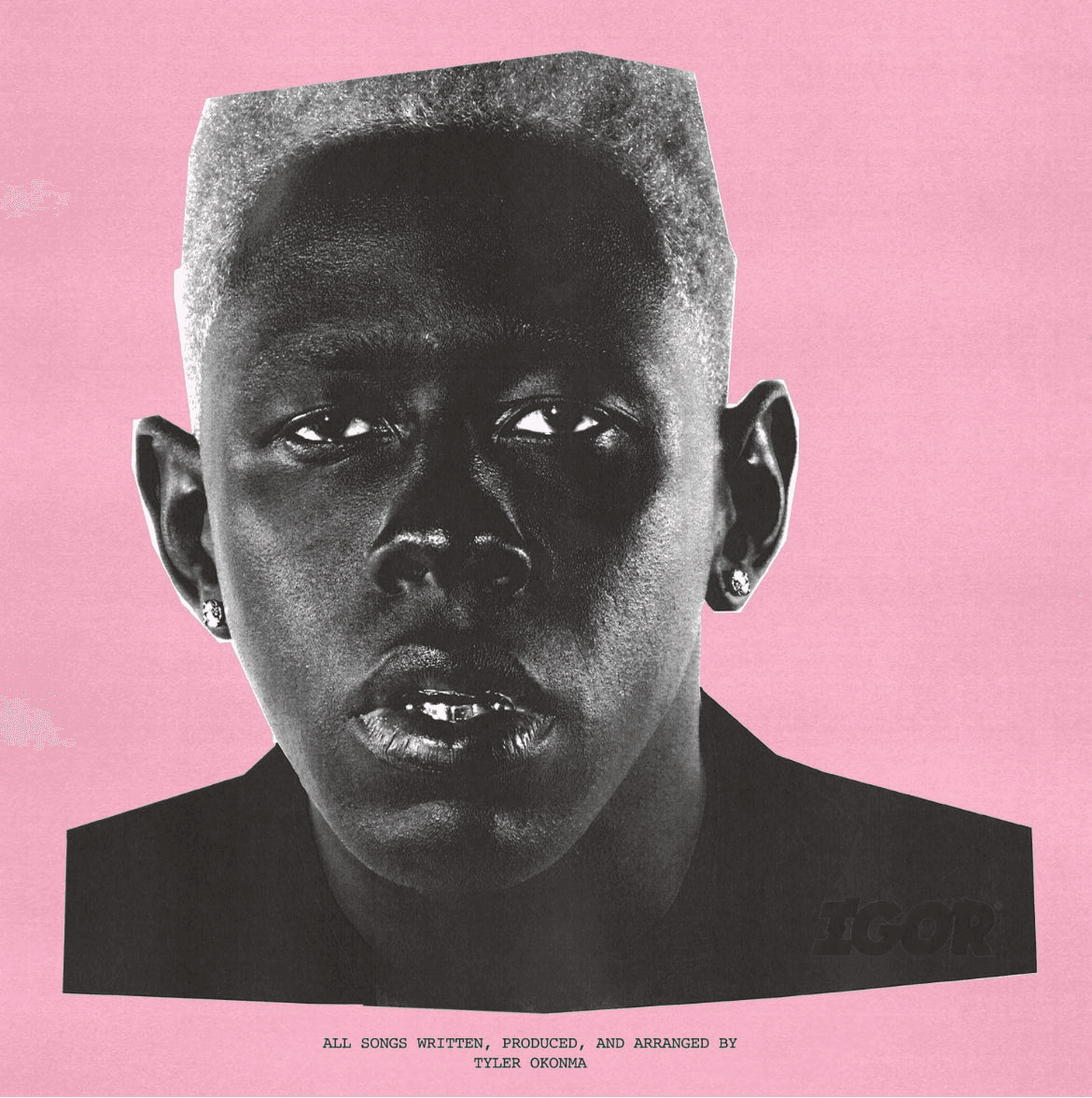
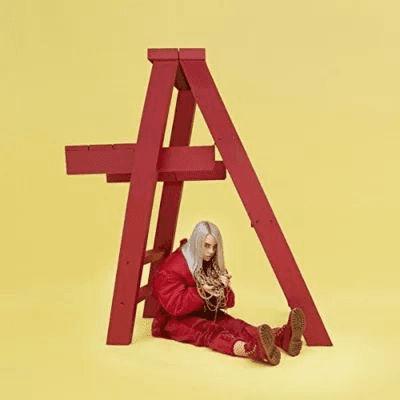
Writer’s block amplifies this
A CRITICAL INSIGHT
Modern music is written in chunks, not full verses
Hip-hop artists use punching in, recording one bar at a time, layering ideas in small segments.
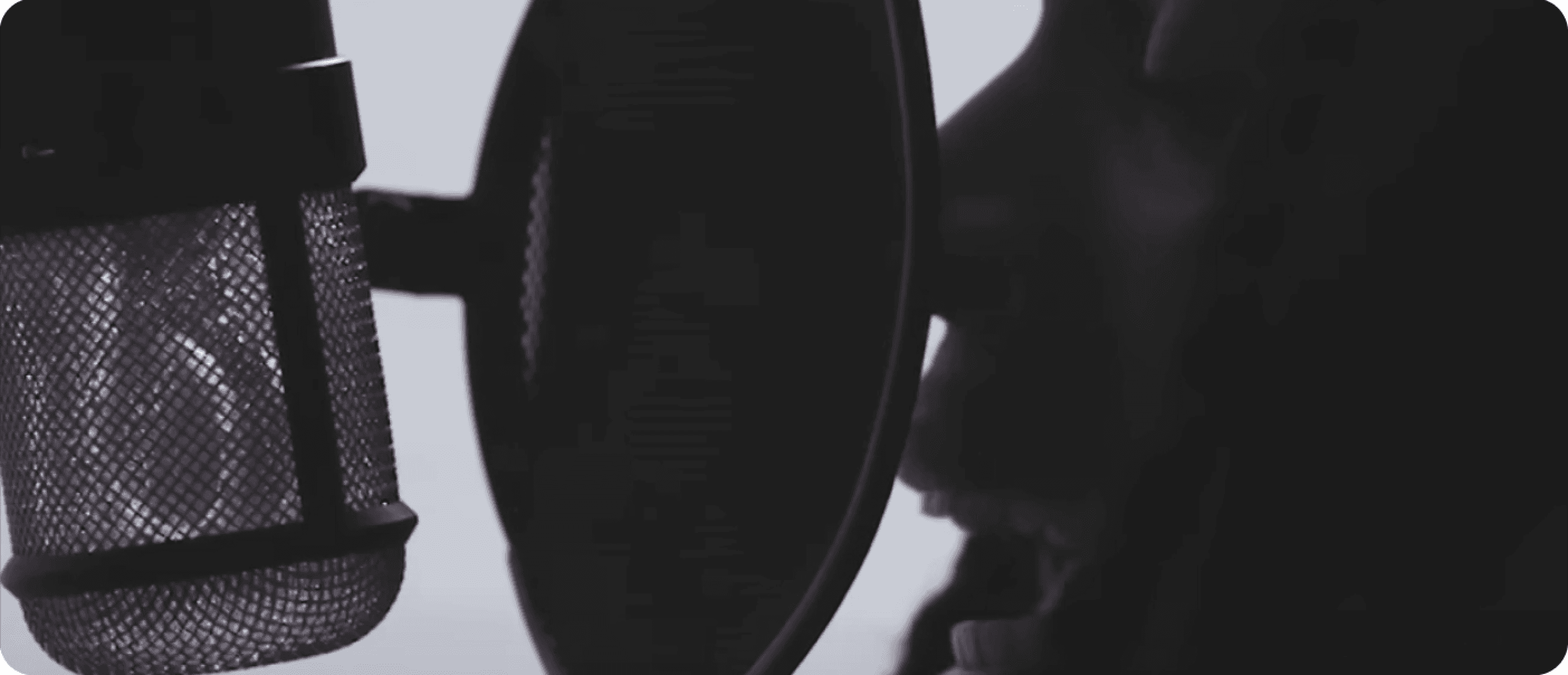
The process
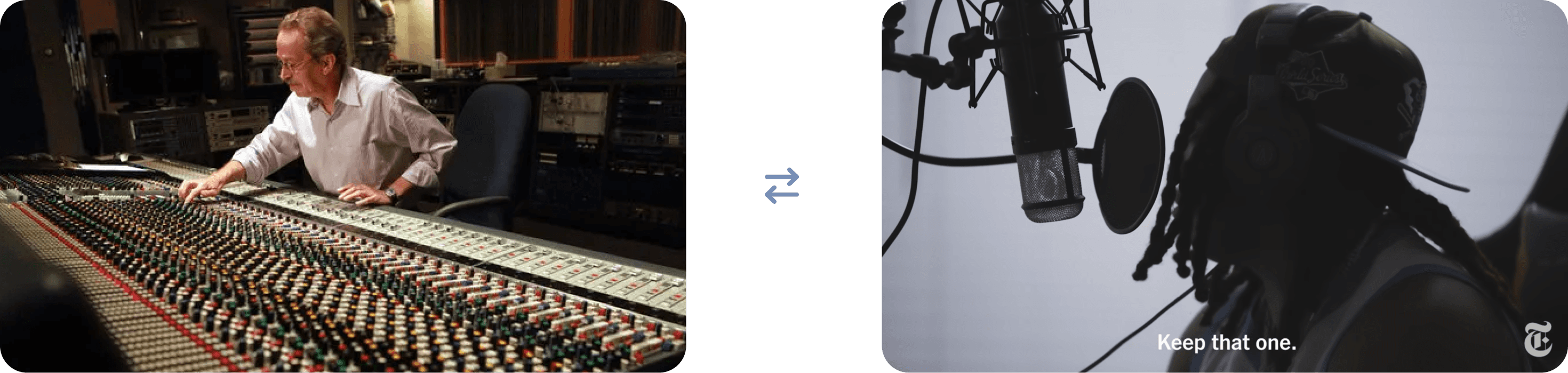
An audio engineer’s role
DESIGN DECISIONS
Building tools that support the creative process
We're designing for creativity, giving artists momentum without taking the pen away.
Protect momentum
Create without committing
Honor the artist’s voice
SOLUTION
Enable musicians to write lyrics the way they record them in fragments
Instead of a standalone tool, we designed an experience inside [Untitled], a playground for music.
Creating a loop
Punching in + audio engineer
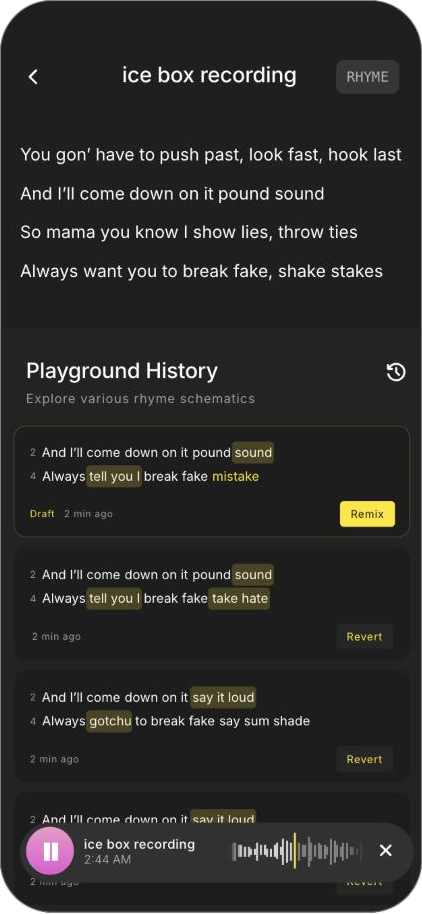
Lyric playground
Version history
MANAGING ALL PUNCH-INS
Artists shouldn’t have to listen to everything to know what matters
Contextualizing takes as they’re recorded
Punching-in is fast
Lightweight approaches
Autoplay to cycle through all the takes
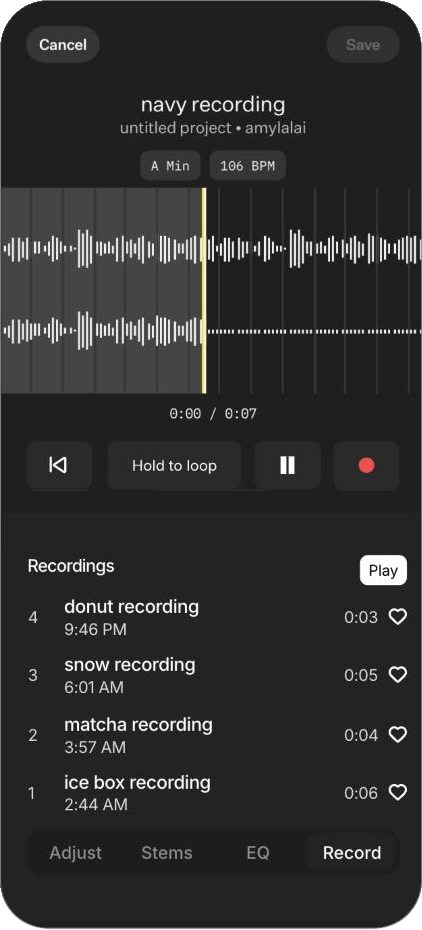
Using AI, we could help find the best punch-ins
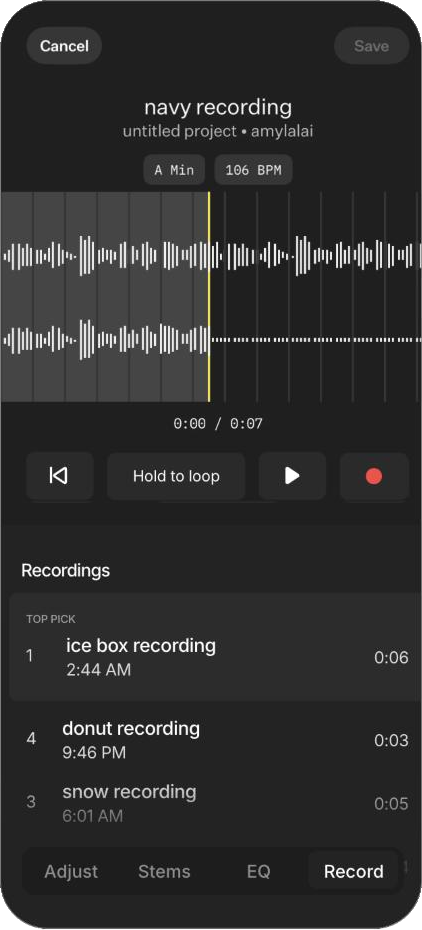
AI audio engineer
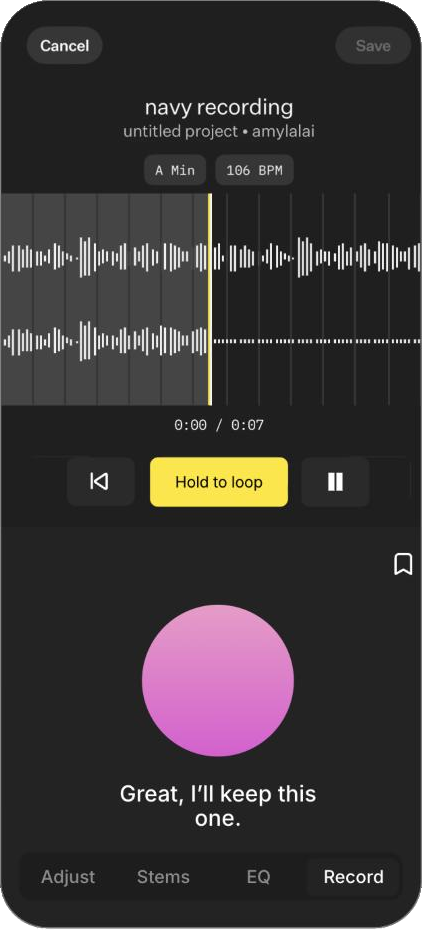
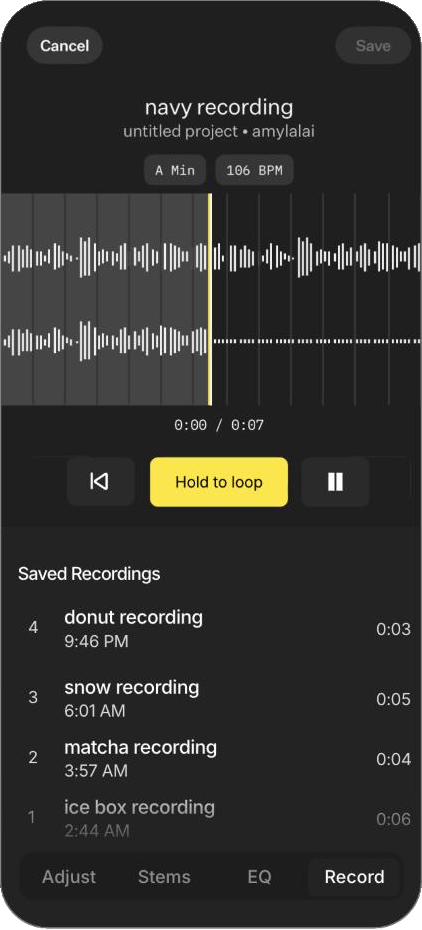
DESIGNING AI FOR ARTISTS
Supporting nuance in a punch-in workflow
Punching-in favors speed, but writing often requires stepping back. The lyric playground works alongside the system.
The lyric playground
Version history
Version history approaches
A pop-up to the history
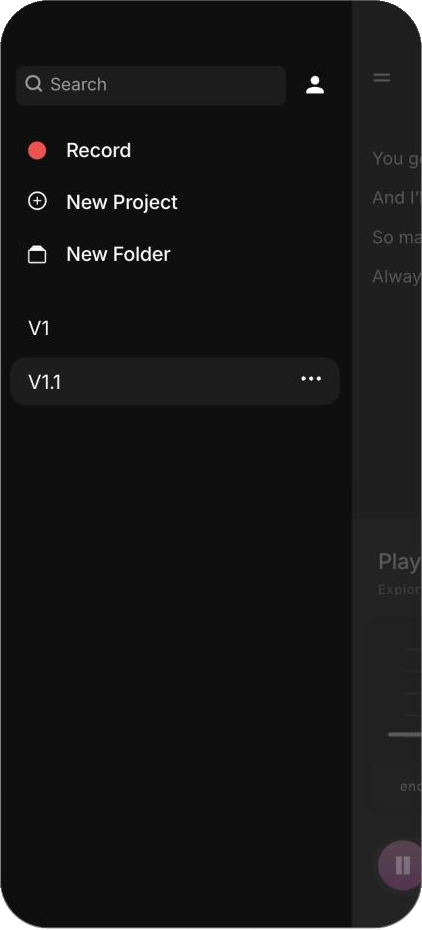
Keeping context visible [final solution]
RESULTS
We pitched to a room of leading industry designers
A few key takeaways
Tell the story as you design
Crafting the narrative alongside the product clarified the decisions that aligns with our target users.
AI should support, not overshadow
The moment AI crosses into “taking over,” artists lose trust. That line shaped our design decisions.
Design for the ecosystem
Building inside [Untitled] kept the experience familiar for artists.
Design for the process, not outcome
Music is made in fragments. It’s made in fragments, so designing for that reality unlocked our solution.
ADDITIONAL EXPLORATIONS
Plenty more lives in the design archive
Please reach out to see earlier explorations, alternate flows, or more!