Shipping a product within 2 weeks [0 > 1] | In-app customer support

Get in touch
Ask anything...
What can I navigate for you today?
Powered by
vector
How do I customize a template?
Click on the Template Center, find the one you want, edit to personalize the note, and Build.
Show me
Execute for me
Industry
B2B Saas
Support
Productivity
Role
Co-founder
Product designer
Team
Arman Arya (PM)
Brennen Ho (Developer)
Vishnu Kadaba (Developer)
Tools
Figma
Notion
Timeline
2.5 weeks
CONTEXT
Starting as founders
Before building anything, my team and I spent a week collecting frustrations from our own lives.
Problem exploration
We mapped industries and talked to people to find problems worth solving.
Our guiding questions
Is this a problem space we are equipped to create within?
Does solving this problem make sense within 8 weeks (our incubator timeline)?
We had a shared, recurring story
A lot of our early pain points centered around bottlenecks.
PROBLEM (END-USERS)
Users abandon software the moment friction appears
Users get stuck. People trying to complete workflows inside SaaS tools hit moments of confusion.
For example, imagine you’re a beginner to Figma. You ask yourself: how do I import an image?
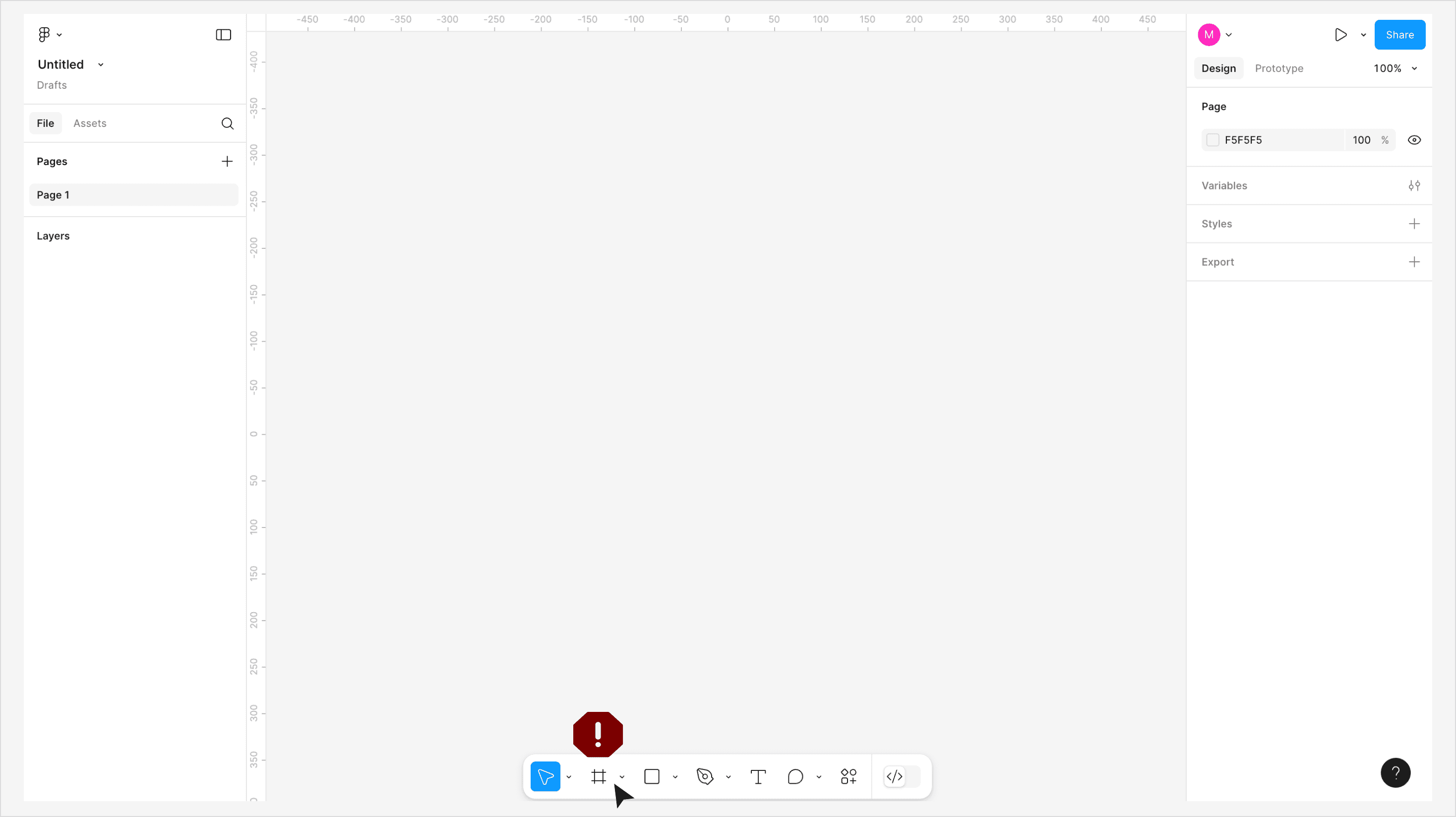
Work grinds to a halt
When users can’t move forward, productivity drops and simple tasks take far longer than they should.
Support becomes the bottleneck
Instead of finding answers in-product, users default to opening support tickets and flooding teams.
PROBLEM (CUSTOMERS)
Businesses pay for the tickets, confusion, and churn
When users get stuck, the impact doesn’t end with them.
Confusion is expensive
Users bounce between tabs, eventually creating long clarification threads.
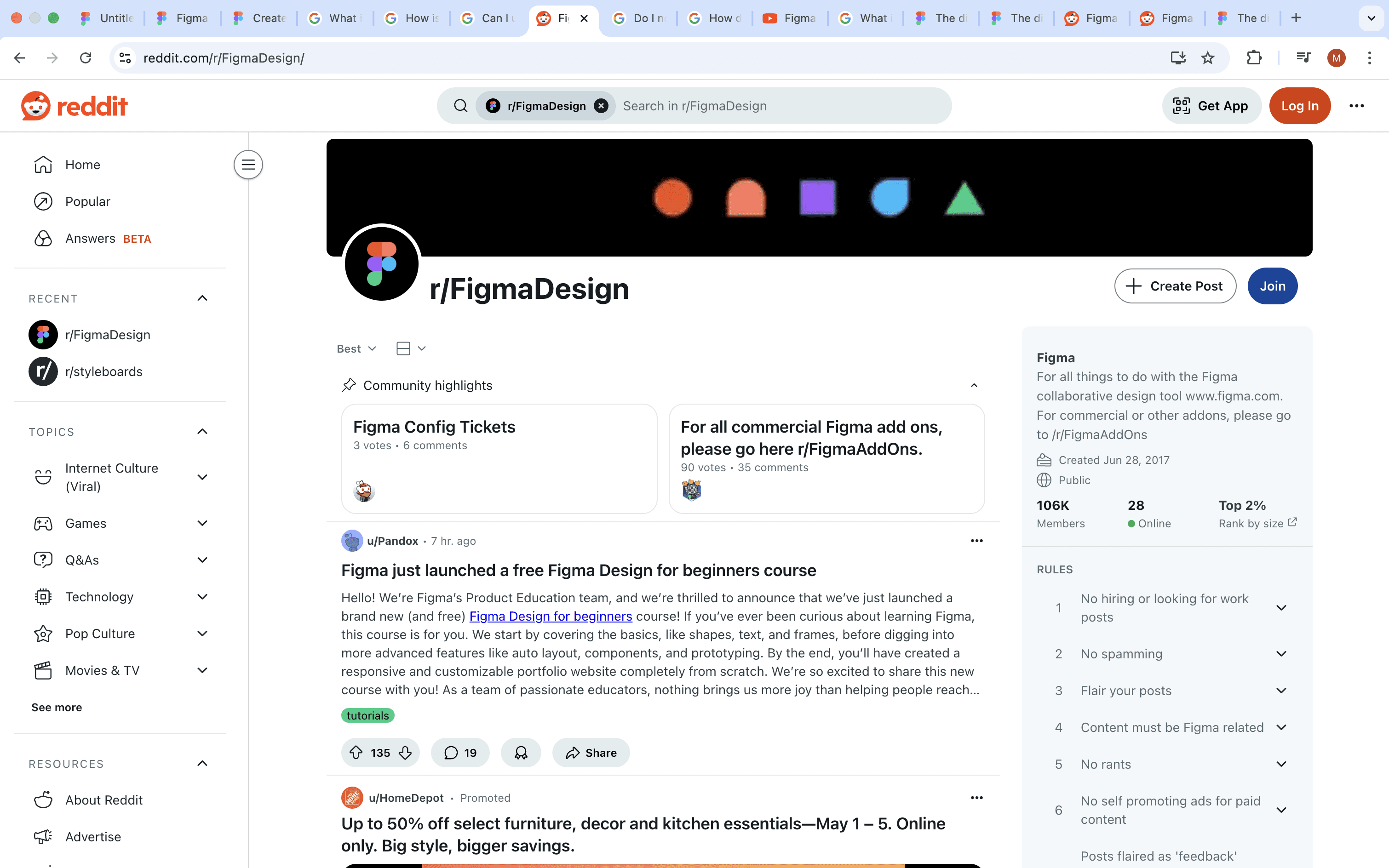
Support teams down in repeats
Without clear in-product guidance, support teams answers the same questions over and over again.
This is more than an inconvenience. problem costs businesses $75 billion every year.
Interruptions slow velocity. Early-stage teams feel it the most. Every user question goes straight to engineers, breaking their focus on building the actual product.
THE OPPORTUNITY
Why is support separate from the product?
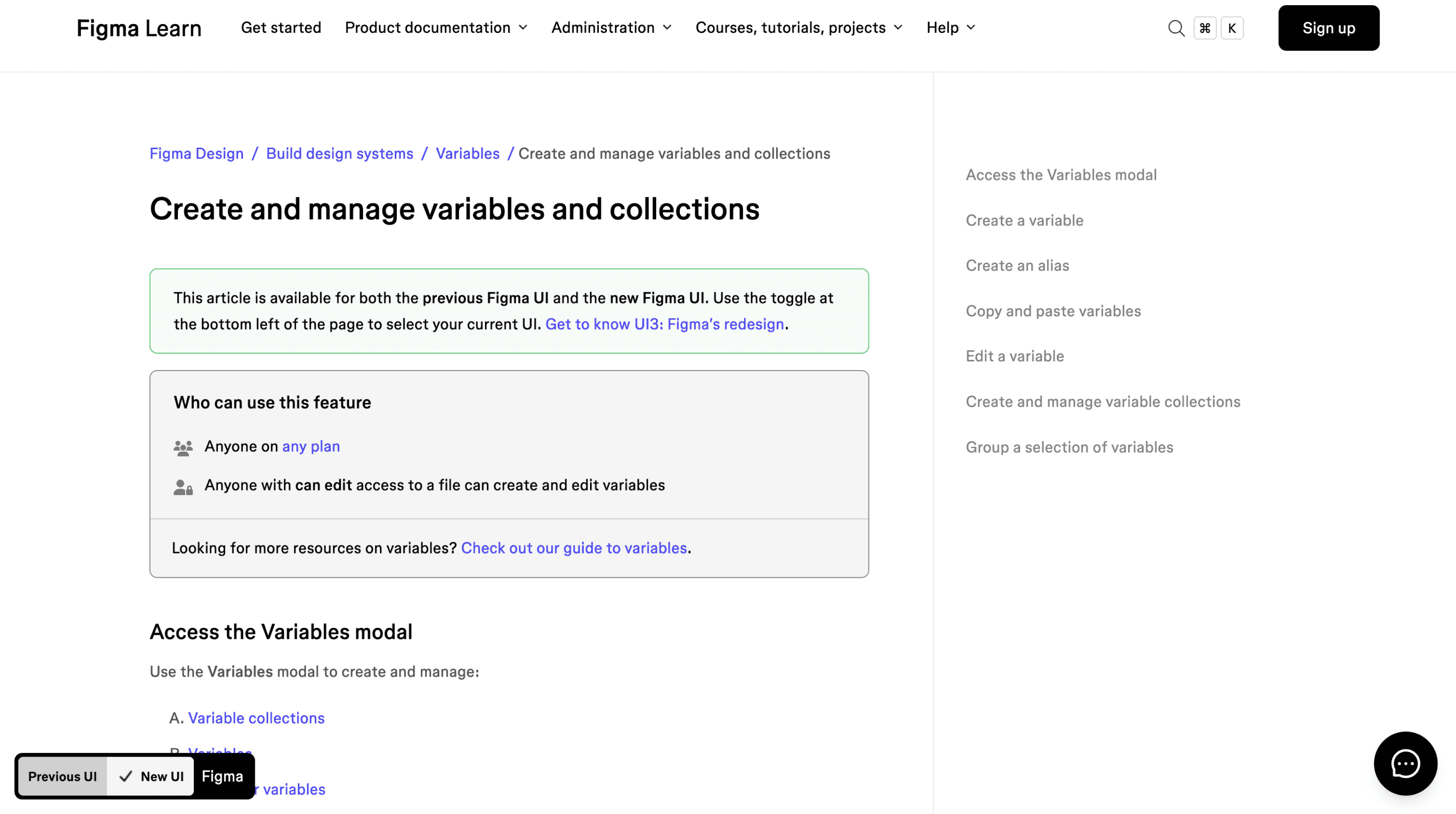
What would happen if guidance
didn’t live in documentation?
Users aren’t technical, so we can’t rely on exact specification on the issue.
The one thing we can depend upon is the UI and more importantly, the code behind it.
SOLUTION
Vector is an AI co-pilot that completes tasks
When users get stuck, they click Vector’s entry point and describe what they want to do.
Vector offers three layers of help
Tell me: chat-like explanation (“Click here, then here”).
Show me: hovers over UI elements, guiding you.
Do it for me: executes the end-to-end workflow for you.
REAL IMPACT
Our first partner: Halo Medical Solutions
Halo Medical Solutions helps practices automate intake, documentation, and billing with AI.
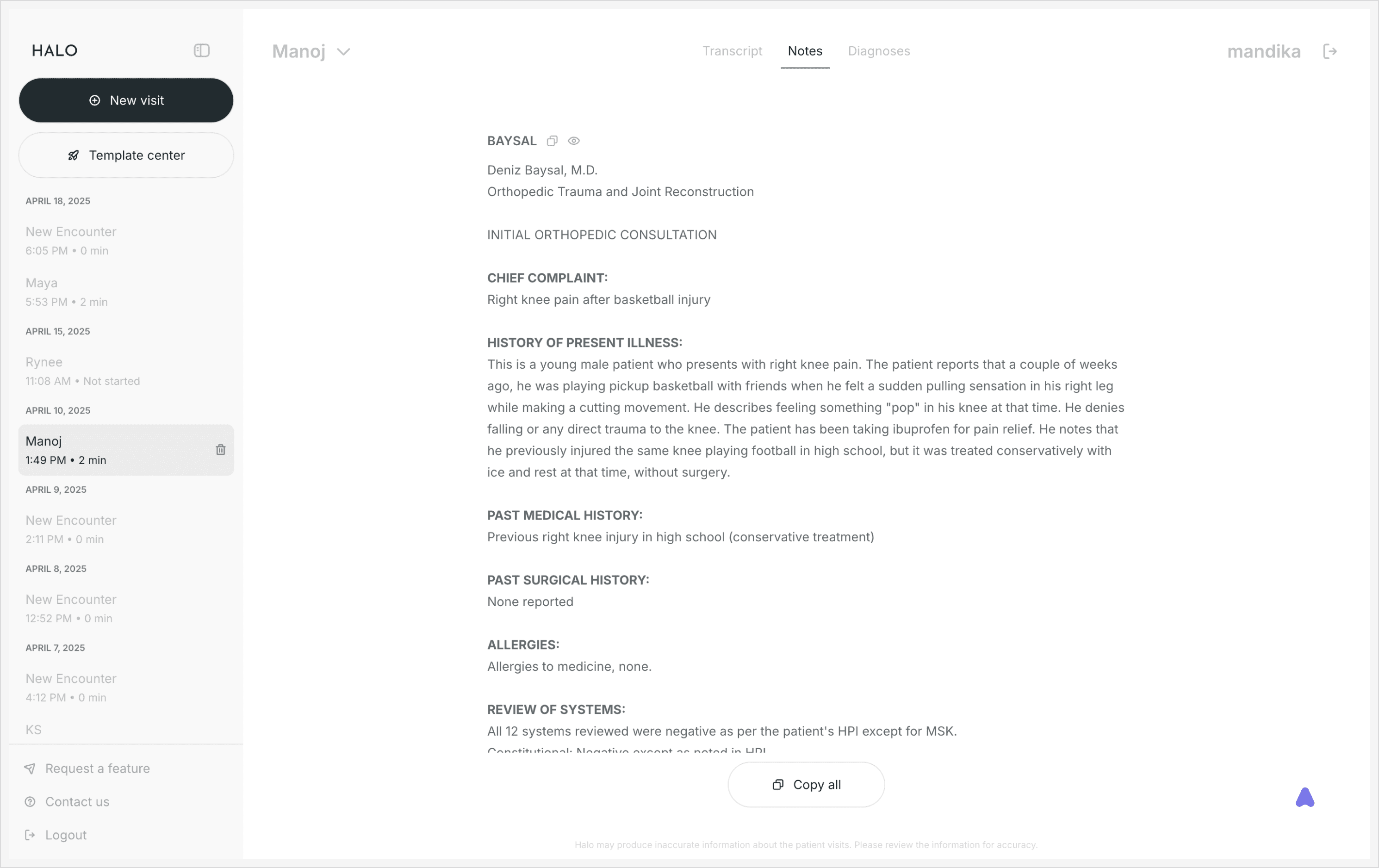
The current system
Halo’s software required users to remember multi-step template workflows.
The team had to hop on call, answer questions, and guide doctors.
What changed with Vector
Once embedded, Vector helped doctors complete workflows all without hand-holding or confusion.
Halo saw 80% fewer support tickets.
VALUE PROP
Businesses stay focused on growing product, not managing confusion
Users stay focused on why they opened the software, not how to operate it.
We generated 7.8k in contracted ARR
WHY NOW
Users expect immediacy
If users can’t figure out your product, they churn. Vector makes sure they don’t.

When people can truly experience what you’ve built, that’s when it can change the world.
vector turns confusion into clarity.
Agentic AI’s recent advances
Only recently did browser automation and large-model reasoning become reliable enough to run real workflows.
SaaS landscape
SaaS teams are moving faster and hiring smaller support teams.
MARKET
Customer success and onboarding is a growing market
Success/onboarding is a growing market that represents over $300B across 17,000+ SaaS companies.
PROCESS
Designing for behavior
Vector is a system that has to feel trustworthy while taking action on behalf of a human.
Intentional communication
Vector shows what step it’s on, what it’s about to do, and what has changed.
Control handoff clarity
No rapid jumps, unexplained clicks, and always pause before any big actions.
RESULTS
Shipped a product within 2 weeks; won Audience Choice ($500)
A few key takeaways
Design around the moment of need
The most useful features show up at the right moment. Designing for context guided every decision.
Agentic design is behavior design
I wasn’t just designing UI. I was shaping how the AI behaves and building something users could trust.
Start broad, commit narrow
Exploring many directions early helped us. We spent six weeks on an idea we pivoted away from: Folio.
Be opinionated
Focusing on core users meant making real trade-offs. We prioritized clarity over flexibility.
ADDITIONAL EXPLORATIONS
Plenty more lives in the design archive
Please reach out to see earlier explorations, alternate flows, or more!