
Industry
Video creation
Creator tool
Storytelling
Role
Product designer
Team
Amy La (Designer)
Justin Kim (Designer)
Piper Yu (Designer)
Tools
Figma
Protopie
Lottielab
Timeline
8 weeks
CONTEXT
People watch billions of hours of video, but rarely make any themselves
Media consumption
YouTube sees 5B hours of watch time daily and a huge part of that is vlogs.
The paradox: If we love watching other people’s everyday stories,
then why do so few of us create videos about our own lives?
Our hypothesis
Could we build a tool that helps more people create vlogs that are: easy to make and meaningful to them?
RESEARCH
Editing tools overwhelm beginners
After auditing tools, we found 3 parts to the process: pre-filming, filming, and post-filming.
Current tools like TikTok, Instagram, and iMovie at most address 1 and 3.
They fail to address the entire process.
The creator journey: pre-filming
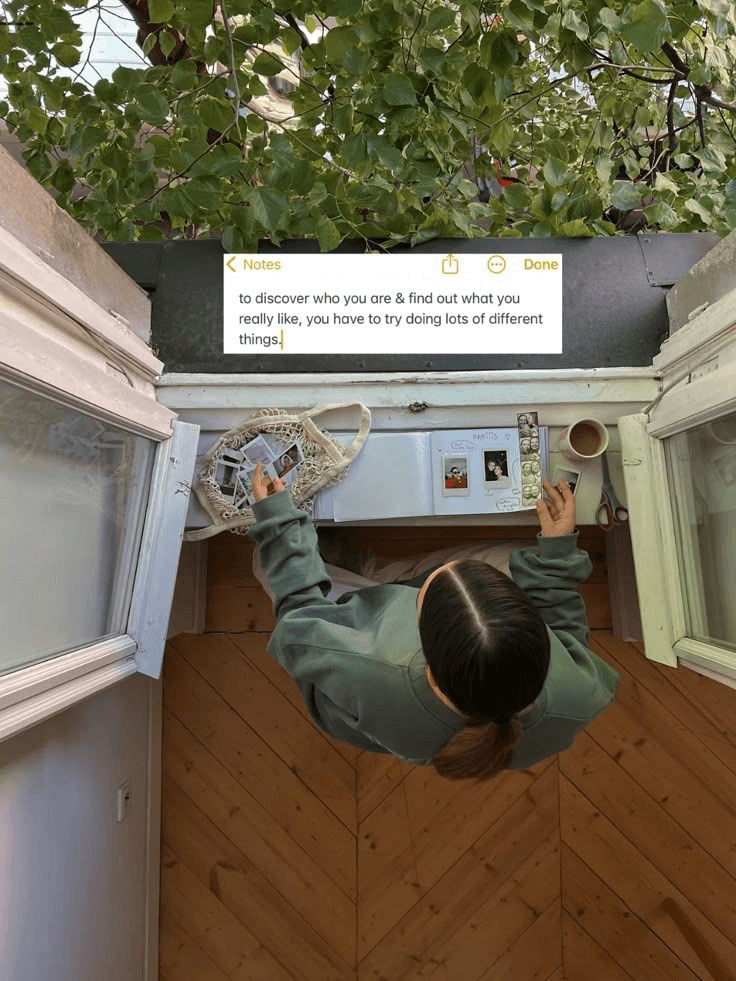
Think of an idea
Unsure what stories to tell
[PAIN POINTS]
Help users brainstorm story ideas
[OPPORTUNITIES]
Plan story (scripting)
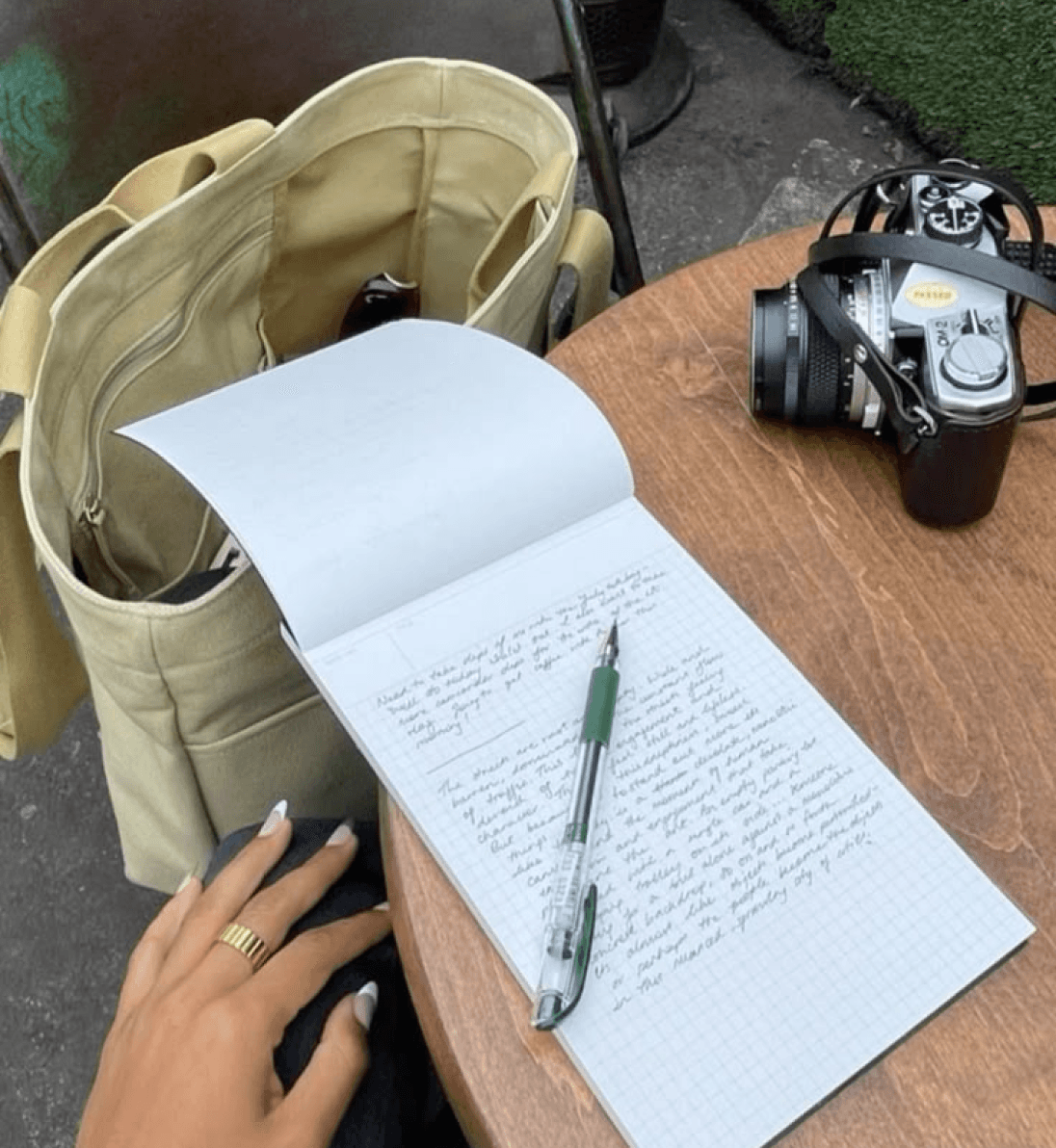
How do you make a story interesting?
[PAIN POINTS]
Help find + structure what's interesting
[OPPORTUNITIES]
The creator journey: filming
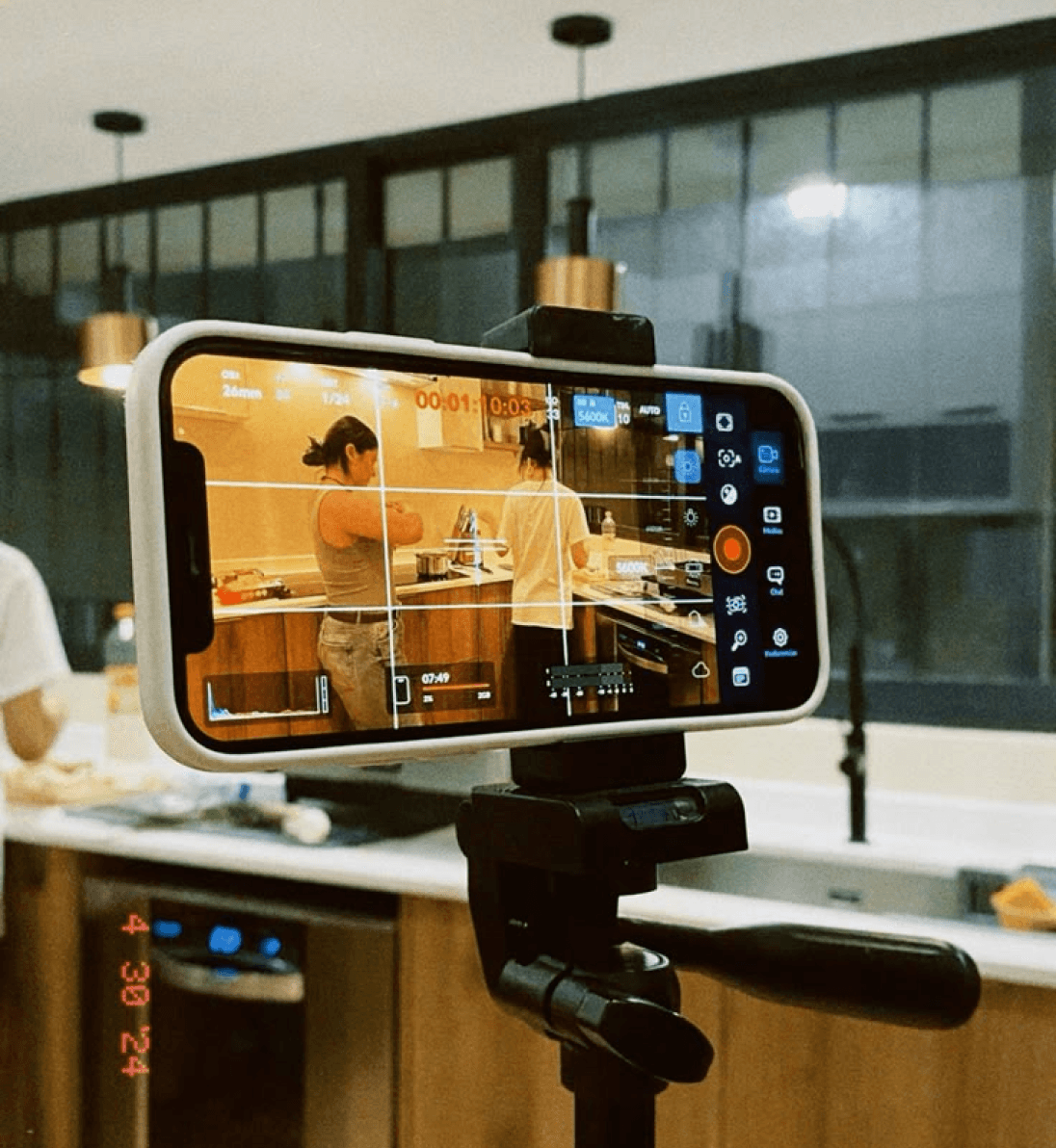
Doesn’t know how to film
Doesn’t know what to film
Doesn’t know what to say
[PAIN POINTS]
Help users become comfortable
Help users know how + what to film
[OPPORTUNITIES]
Record clips
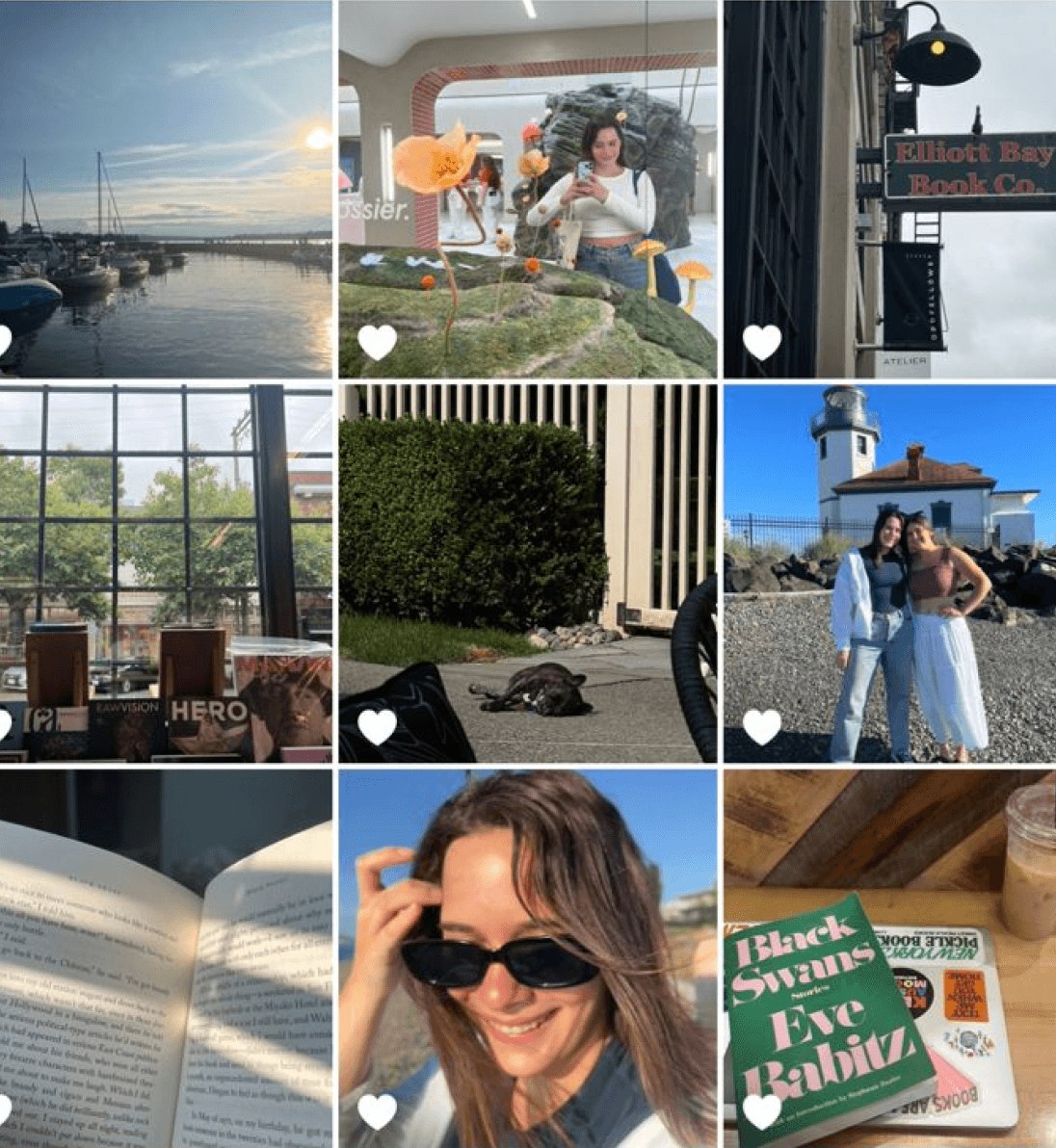
Too much content to review
[PAIN POINTS]
Help users sort through content
Intentionally get rid of clips
Eliminate sorting
[OPPORTUNITIES]
Review and organize clips
The creator journey: post-filming
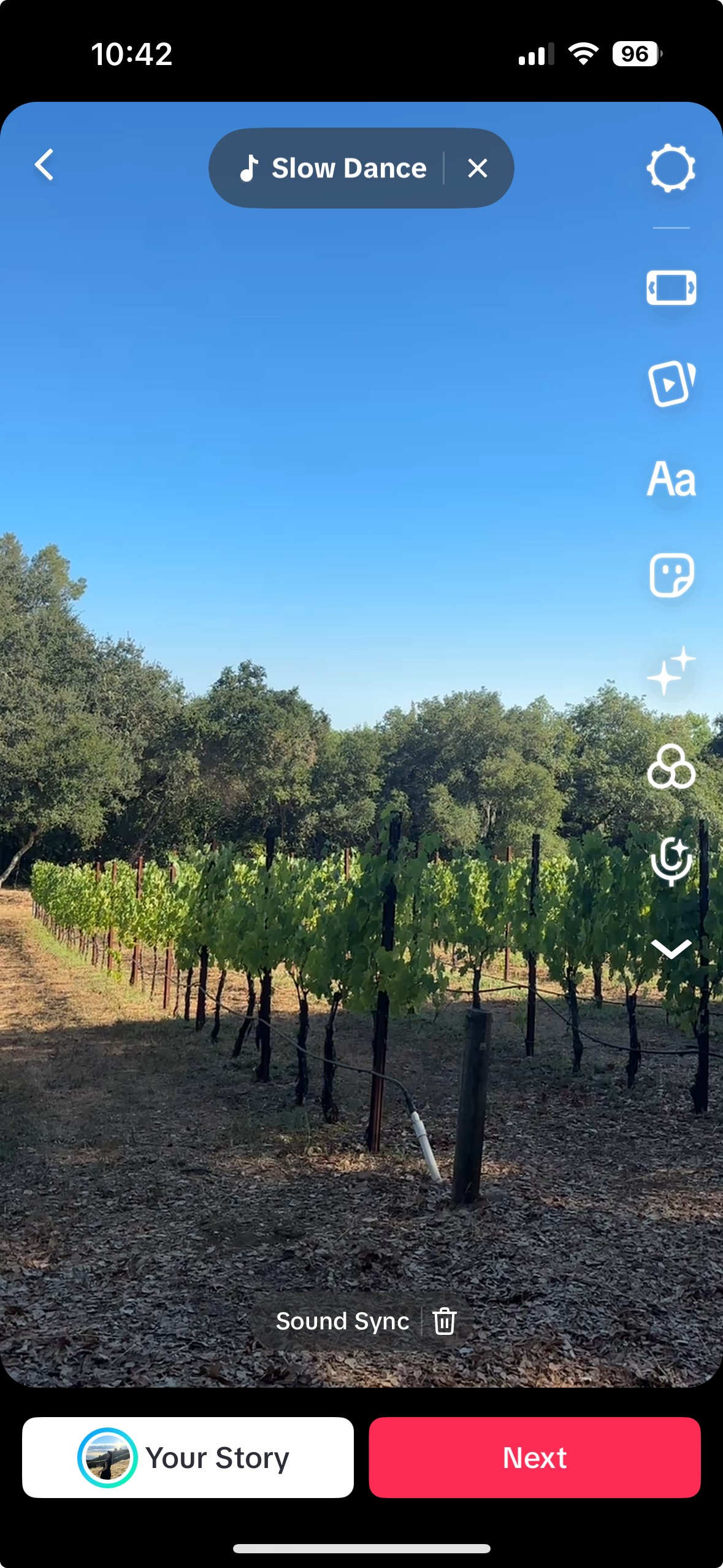
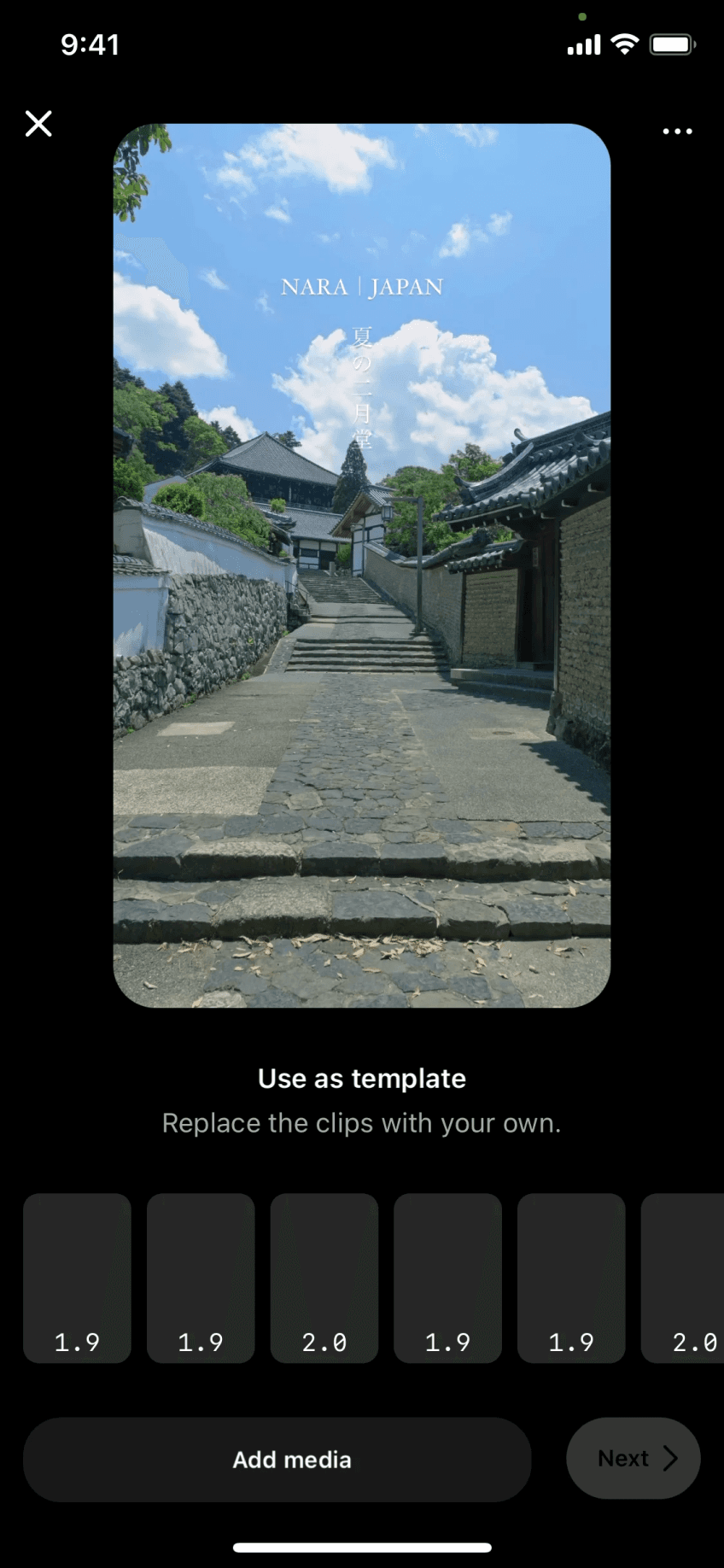
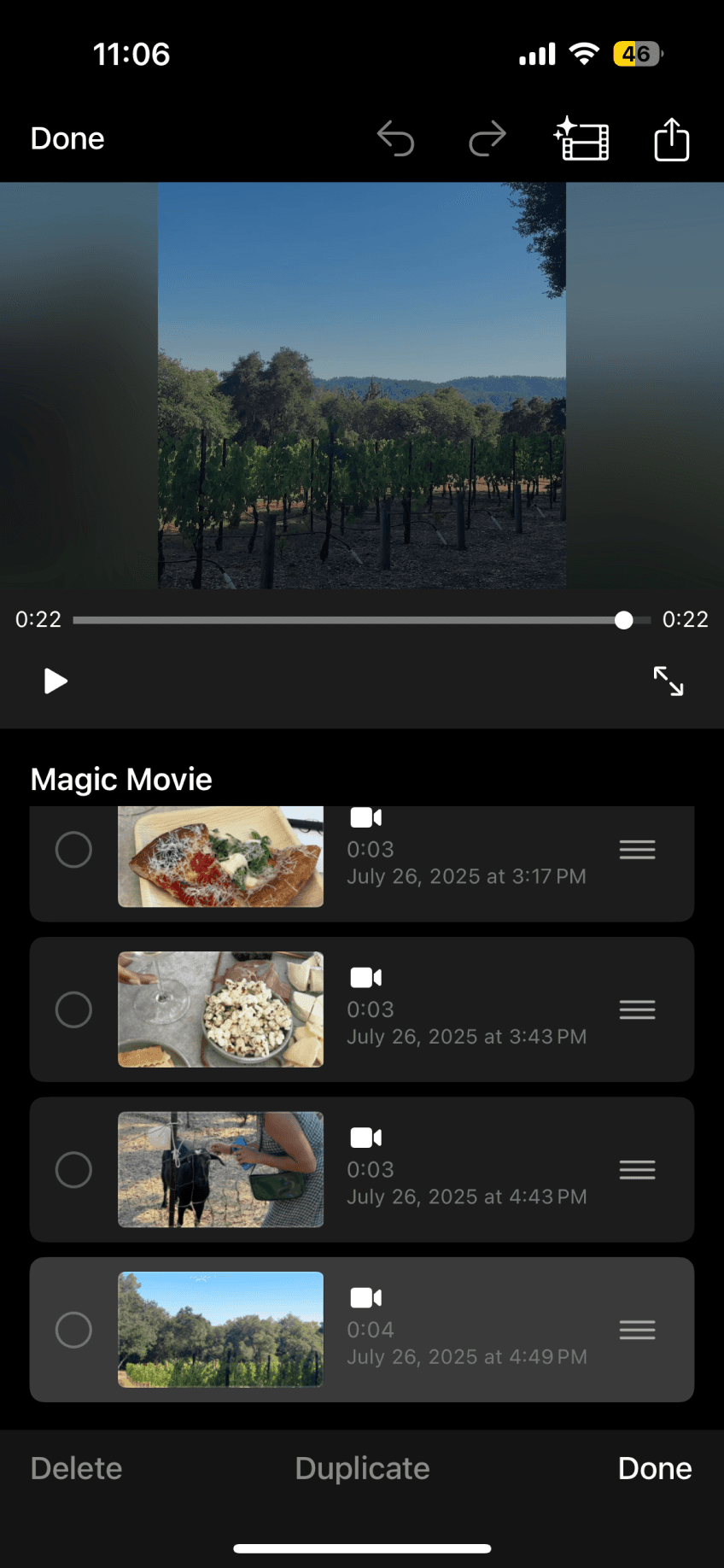
TikTok hides the timeline, Instagram’s template copies clip length, and iMovie’s vertical timeline give focus.
THE PROBLEM
Beginners sporadically film but can’t connect the dots
Video editing tools focus on editing rather than storytelling, which alienates beginners.
User interviews
“I take so many videos, but when I sit down to edit, I get stuck. I don’t even know where to begin.”
“I’m confused by the tools. I don’t know what the easiest one is to start with, so I just don’t start.”
What story do I tell?
Beginners don’t know which tool gives them the space to tell their story.
DESIGN PRINCIPLES
Designing for people who are just getting started
Guidelines that help reduce friction, build confidence, and make storytelling feel intuitive.
Fail forward
Mistakes shouldn’t break momentum. Like a map rerouting, the product should adapt.
Make the vision visible
Creators stick with the process when they can see the destination. We need to reveal the outline early.
Center authenticity
The best stories are real. Our job isn’t to fabricate moments. It’s to help shape what actually happened.
The shift
Our mission moved away from making editing simpler to make daily storytelling feel natural.
SOLUTION
A Walkthrough of a trip to Napa Valley
A real story. Amy captured clips on the go, but didn’t assemble the story until she was back home.
User adds a note about the itinerary before the trip
User selects how to frame their story based on their note
User has downtime and adds
media to the brainstorm page
User generates script based on all their uploaded media
STORY FINDING WITH AI
If editing isn’t the bottleneck, story discovery is
Our tool needed to help users find, shape, and express their story.
LLMs became central. The prompt box became a canvas, not a command.
Redefining the input
A textbox leads to generic prompts, but with more context and media, the output becomes far richer.
Maximizing context (why audio matters)
People speak differently than they write. They ramble, reflect, and reveal emotional beats.
We added a large, central record button. Spoken context helped our model better understand.
Designing for better output
We trained our AI to behave like a story editor, not a chatbot.
If clips were scattered, it asked clarifying questions.
If emotional beats were missing, it prompted reflection.
If the timeline was unclear, it asked for ordering.
If moments felt flat, it nudged users toward meaning.
MEDIA CONSTRAINTS
Removing the pressure to have the “perfect” media
A lack of media should never be a blocker.
Making talking to the camera less scary
We asked a different question: What if the barrier isn’t remembering to record but feeling comfortable doing it?
Designing a frictionless recording flow
A global record button always visible.
Placeholders for missing clips.
A “Record Now” suggestion as export
A guided “fill in the gaps” flow.
Recording became modular
Users can record and edit in chapters, add voice-over when visuals fall short, and pause/resume.
Expanding media beyond video
RETHINKING THE TIMELINE
Traditional timelines assume expertise
A blank timeline kills momentum.
What if editing didn’t involve dragging clips at all? What if you edited the story instead?
Narrative-first approaches
Embedding media inside text
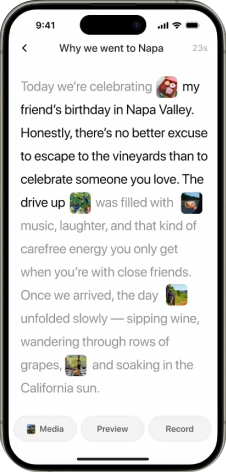
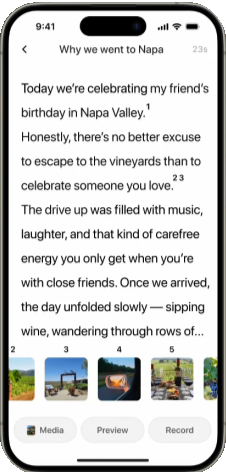
Overlaying text on clips
Today, we’re celebrating my friend’s birthday in Napa Valley. The drive up felt like part of the adventure itself —
windows down, music blasting, and that carefree laughter that only happens when you’re with close friends.
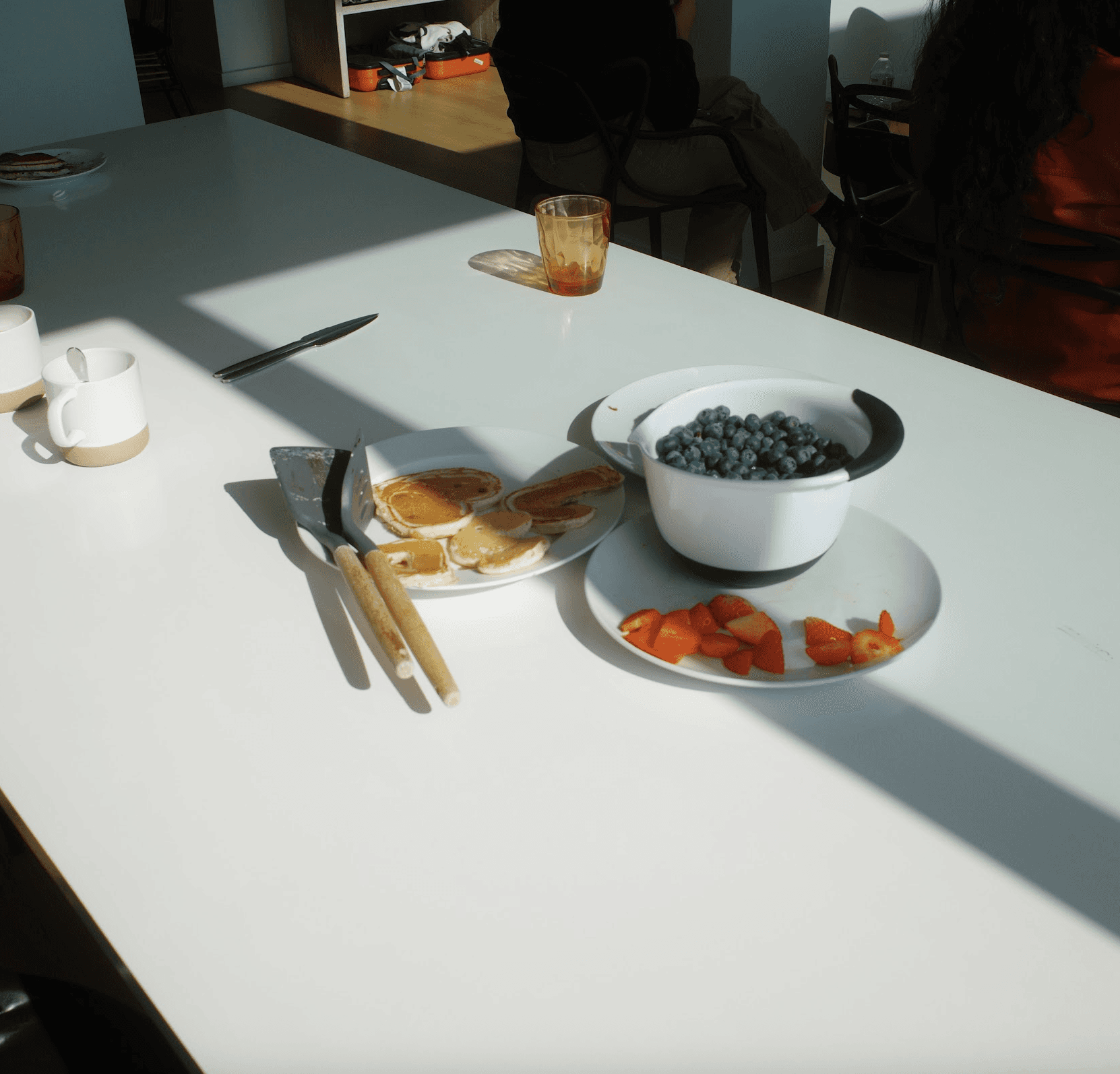
The closer we got, the more the hills and vineyards unfolded around us, setting the tone for the day.
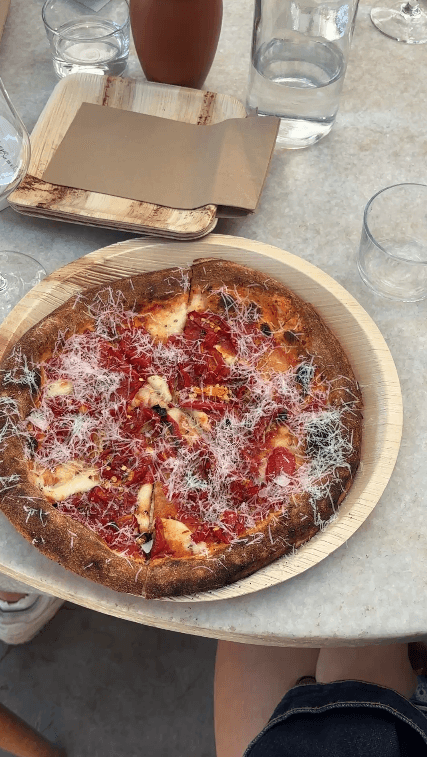
The drive up felt like part of the adventure itself — windows down, music blasting, and that carefree laughter that only happens when you’re with close friends. The closer we got, the more the hills and vineyards unfolded around us, setting the tone for the day.
Why we went to Napa
Media (4)
Transcript
Describe your story
9:41
Today, we’re celebrating my friend’s birthday in Napa Valley. The drive up felt like part of the adventure itself — windows down, music blasting, and that carefree laughter that only happens when you’re with close friends.
The closer we got, the more the hills and vineyards unfolded around us, setting the tone for the day.
The drive up felt like part of the adventure itself — windows down, music blasting, and that carefree laughter that only happens when you’re with close friends. The closer we got, the more the hills and vineyards unfolded around us, setting the tone for the day.
Describe your story
9:41
Media (4)
Transcript
Separate media and text tabs
Today, we’re celebrating my friend’s birthday in Napa Valley. The drive up felt like part of the adventure itself — windows down, music blasting, and that carefree laughter that only happens when you’re with close friends.
The closer we got, the more the hills and vineyards unfolded around us, setting the tone for the day. Today, we’re celebrating my friend’s birthday in Napa Valley. The drive up felt like part of the adventure itself — windows down, music blasting, and that carefree laughter that only happens when you’re with close friends. The closer we got, the more the hills and vineyards unfolded around us, setting the tone for the day.
Why we went to Napa
Media (4)
Transcript
Record
9:41
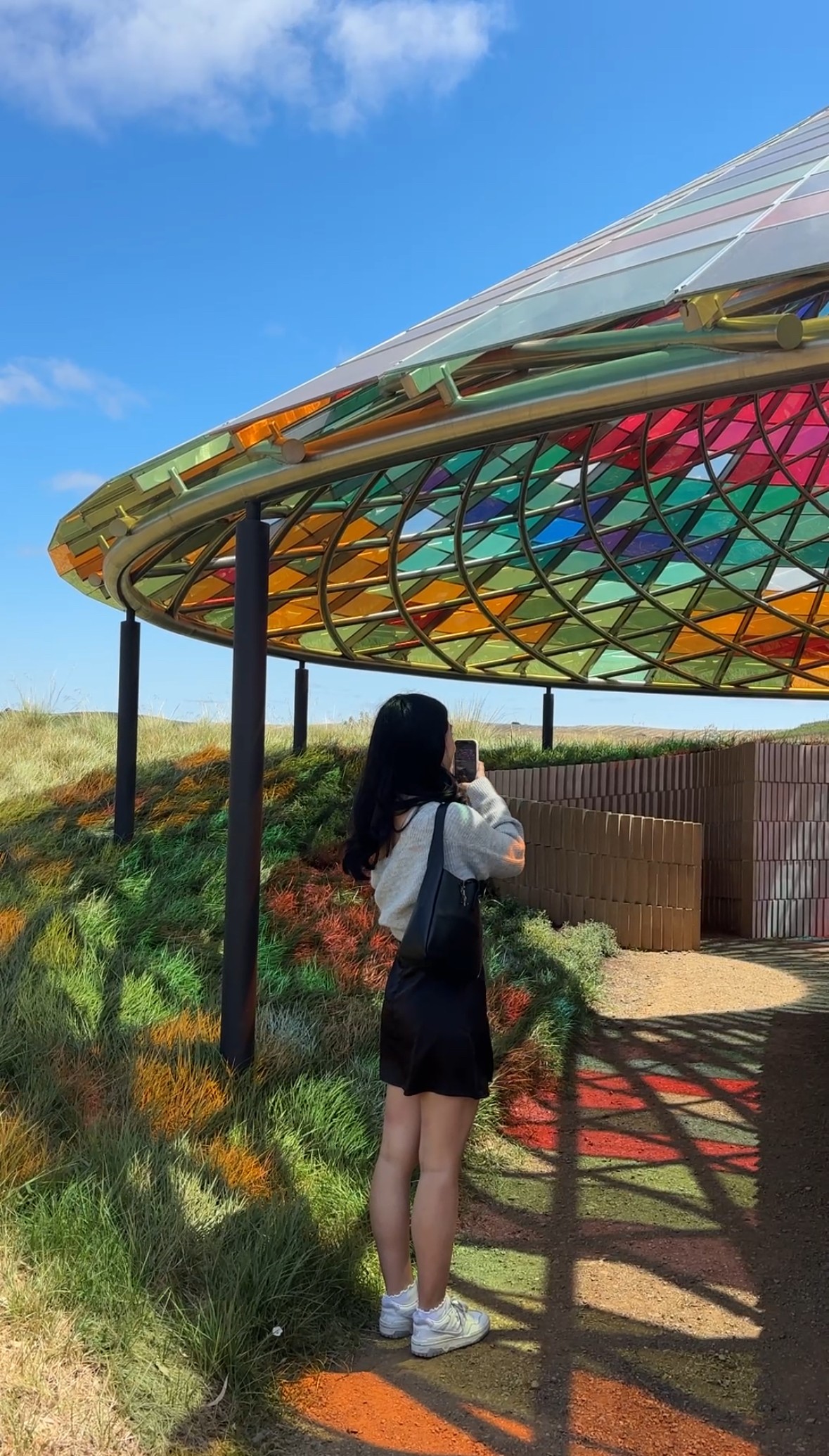
Media
Transcript
9:41
Record
RESULTS
A few key takeaways
Story drives everything
Beginners don’t need the perfect footage. They need a clear story arc to finish what they start.
Comfort matters
Recording issues weren’t about forgetting. The real barrier was emotional - feeling comfortable talking.
Prototype to learn, not to prove
Early prototypes surfaced what didn’t work. Fast iteration led us to more natural, forgiving flows.
Build around real, not ideal behavior
Instead of designing for perfect filming scenarios, we built for reality: scattered clips, missed moments, etc.
RESULTS
Plenty more lives in the design archive
Please reach out if you want to see earlier explorations, alternate flows, or more!